GPS Speedometer Accuracy vs Car Speedometer in 2026
Introduction
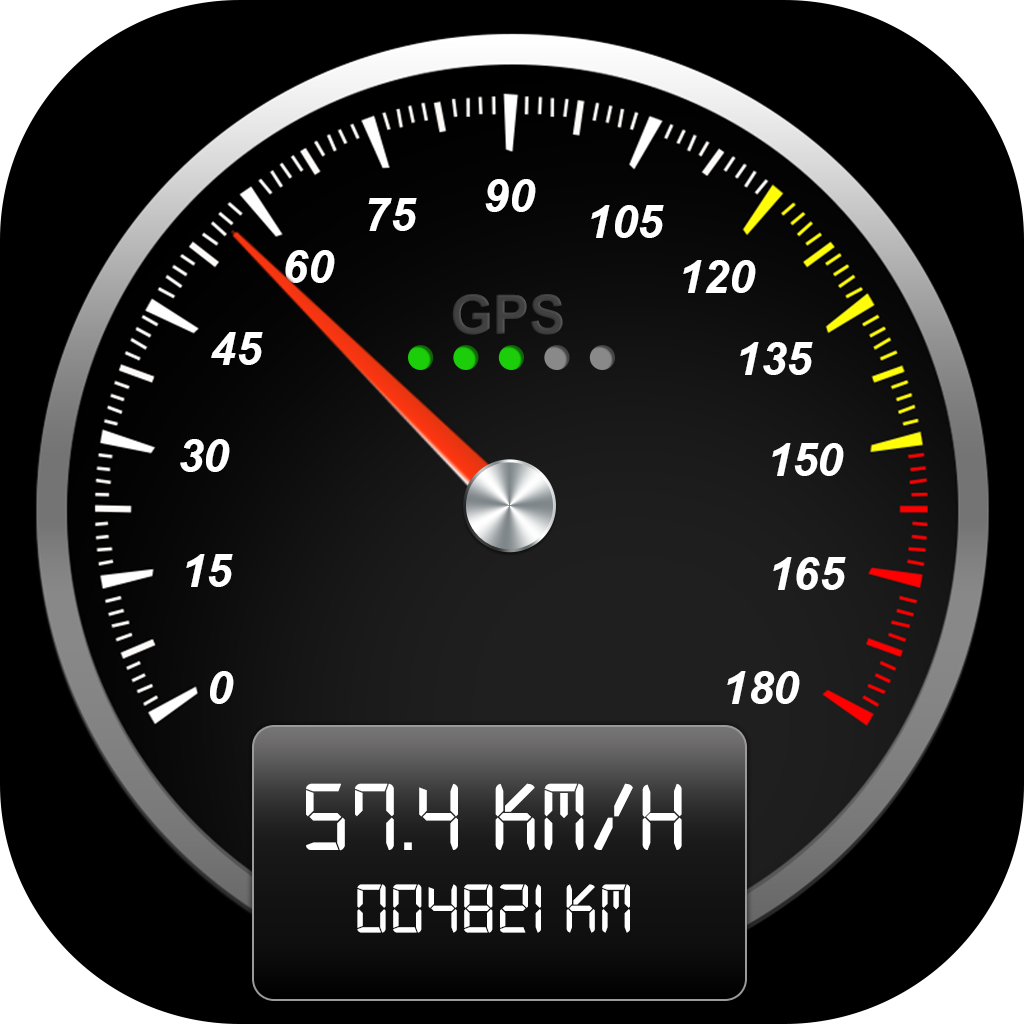
GPS speedometer accuracy is the measure of how closely a satellite-derived speed reading tracks your vehicle's true ground speed - and for most drivers, the two figures rarely agree. If you have glanced at a navigation app showing 58 mph while your dashboard insists on 62, you have already met this discrepancy firsthand. This guide explains exactly why that gap exists, when it matters legally, and how to use both instruments to your practical advantage.
How GPS Speedometer Accuracy Works
GPS speedometer accuracy relies on two complementary physics methods. The first is Doppler shift GPS speed measurement: as your receiver moves relative to orbiting satellites, the incoming signal frequency shifts in a mathematically predictable way, and the chipset converts that shift into a near-instantaneous velocity reading. A secondary method, rapid position sampling, calculates distance covered across very short time intervals. Modern receivers blend both approaches for reliability.
Your car's vehicle speed sensor operates on an entirely different principle. A hall-effect magnetic sensor counts pulses generated by a reluctor ring on the wheel hub or transmission shaft, and the ECU multiplies those pulses by a factory-programmed constant to produce the cluster reading. The core distinction: GPS measures motion through space, while the wheel sensor measures wheel rotation. Those two agree perfectly only when your tire's actual rolling circumference matches what the factory assumed at build time.
Under ideal open-sky conditions, a quality receiver achieves ground speed accuracy within a fraction of a mph, making satellite speed measurement a genuine cross-reference tool rather than a rough estimate. That precision is the foundation of GPS speedometer accuracy as a practical driving instrument.
Car Speedometer Inaccuracy by Design
Car speedometers deliberately read high, and this is engineered-in regulatory compliance rather than poor manufacturing. Most international vehicle standards permit a speedometer tolerance percentage that allows over-reading but expressly prohibits under-reading. At a true speed of 60 mph, your cluster can legally display a noticeably higher figure without any violation of the applicable rules.
Speedometer over-reading explained in plain terms: regulators decided a driver who believes they are going slightly slower than reality is safer than one unknowingly speeding. Manufacturers therefore set speedometer calibration toward the conservative, high end of the legal tolerance band.
Several factors compound the car speedometer vs GPS accuracy gap further:
- Tire size speedometer error: non-stock wheels with a smaller rolling circumference cover less road per revolution, yet the vehicle speed sensor still applies the same factory pulse-to-distance ratio
- Natural tire wear, which gradually reduces rolling circumference over tens of thousands of miles
- Temperature-driven changes in tire inflation that subtly alter effective rolling radius
The same counting error that inflates your displayed speed flows directly into odometer accuracy, meaning total logged mileage can drift alongside the cluster reading across a vehicle's entire life.
GPS Speedometer Accuracy in Real Conditions
GPS speedometer accuracy is excellent on open roads but degrades in predictable environments. The primary culprit is multipath interference: in an urban canyon, satellite signals bounce off glass-and-steel building facades before reaching your receiver. Those reflected copies corrupt both the Doppler calculation and the position-sampling chain, causing the displayed speed to flicker or lag your actual pace.
Conditions that consistently reduce GPS reliability include:
- Tunnel entry and exit - the receiver loses satellite lock and holds the last known speed for several seconds after emergence
- Dense urban canyons with poor satellite geometry and elevated dilution of precision values
- Heavy tree canopy on rural roads, attenuating weaker satellite signals
- Sharp acceleration through tight corners, where millisecond-spaced position samples underestimate instantaneous speed
Is GPS speedometer accurate enough for everyday driving reference? On motorways and open suburban routes, the speed reading discrepancy relative to true speed sits typically under one mph. In city centres with complex geometry, treat the reading as a reliable guide rather than a precision instrument.
Smartphone GPS Speedometer App Accuracy
Smartphone GPS chips are capable but built to consumer cost targets. High-end dedicated receivers update position up to ten times per second; many phone chipsets default to one-second intervals to preserve battery. That gap is most consequential during brisk acceleration, where GPS speedometer accuracy can lag your true vehicle pace by a noticeable margin.
The GPS vs built-in speedometer comparison depends heavily on chipset generation. A flagship device with multi-constellation support - receiving GPS, GLONASS, Galileo, and BeiDou simultaneously - delivers markedly better GPS speed reading vs dashboard speed correlation than a mid-range phone limited to a single constellation. App design adds another dimension: applications that apply smoothing algorithms produce steadier, more usable output than those displaying raw chipset data.
For motorway cruising as a cross-reference, a quality app on a capable chipset is more than adequate for the task. For situations demanding documented precision - track days, fleet compliance, or formal disputes - a dedicated GPS logger with a high update rate is the appropriate instrument.
GPS vs Car Speedometer for Speeding Fines
GPS speed evidence alone is not a legal defence in most jurisdictions, and this is the most practically important point in the car speedometer vs GPS accuracy debate. Roadside speed cameras, police lidar, and radar guns are independently type-approved instruments with mandatory recertification schedules. Courts accept readings from these calibrated devices; a navigation app screenshot showing a lower speed is almost universally inadmissible as a direct counter-argument.
The reason is straightforward: enforcement instruments carry documented audit trails of their speedometer calibration history. Consumer GPS devices do not. A judge evaluating a speeding charge needs evidence that meets the evidential standard set by law, and a phone app cannot provide that chain of custody.
[!IMPORTANT]
GPS data can support a location-based argument - proving your vehicle was elsewhere at a specific time - but as a direct speed counter-argument it rarely holds up in court.
Drive to the dashboard reading. Accept it reads slightly high by design. Use GPS speedometer accuracy as a running sanity check, not a legal backstop.
FAQs
GPS vs Car Speedometer Accuracy
GPS is the closer reference to true ground speed. Factory dashboards are legally required to over-read rather than under-read, so the GPS figure typically runs one to five mph lower than the cluster at motorway speeds - and that lower reading is the more accurate one.
Why Car Speedometers Read Higher
Manufacturers deliberately bias speedometers toward the upper tolerance limit so drivers never unknowingly exceed the speed they believe they are travelling. Combined with the vehicle speed sensor's sensitivity to tire dimensions, the over-read is both intentional and unavoidable within a standard factory configuration.
When GPS Speedometers Can Be Wrong
GPS speed readings drop out in tunnels, lag during rapid acceleration, and flicker in urban canyons due to multipath interference. In these conditions the displayed speed can trail your actual vehicle pace by a second or more.
Smartphone GPS Speedometer App Reliability
A quality app on a multi-constellation chipset is reliable for everyday cross-reference use, with typical error under two mph on open roads. For documented precision, a dedicated high-update-rate GPS logger is the better choice.
Police Tools for Speeding Tickets
Traffic enforcement uses independently calibrated lidar, radar, or inductive loop systems - not GPS. These instruments carry certification records admissible in court, and a consumer GPS reading does not meet the evidential threshold needed to challenge an issued ticket.
Key Takeaways
- GPS gives a truer ground speed reading; your dashboard over-reads by up to roughly 10 percent at motorway speeds by legal design.
- Doppler shift GPS speed calculation is accurate under open sky but degrades predictably in tunnels, urban canyons, and heavy tree canopy.
- Tire size speedometer error widens the car speedometer vs GPS accuracy gap whenever non-stock or worn tires alter the rolling circumference.
- Smartphone GPS speedometer apps are reliable everyday cross-references but lack the update rate for precision or legal purposes.
- GPS speed evidence is not accepted in most courts as a defence against a ticket issued by a calibrated enforcement device.
Conclusion
The GPS speedometer accuracy gap between your satellite reading and your dashboard is real, intentional, and predictable. GPS will almost always show a lower figure than the cluster - and that figure is closer to your true ground speed. Cross-reference GPS speedometer accuracy against your dashboard regularly, investigate your tire size if the gap consistently exceeds five mph, and never treat a satellite reading as a legal shield when a calibrated enforcement device says otherwise. Knowing which instrument tells you what is what separates an informed driver from one who is simply guessing.
Further Reading
- Speedometer - Wikipedia - Technical overview of speedometer design, legal tolerances, and calibration standards.
- Global Positioning System - Wikipedia - How GPS satellites calculate position and derive velocity measurements.
- Tire - Wikipedia - Background on rolling circumference and its effect on wheel-sensor speed and odometer accuracy.
- Speed limits in the United Kingdom - Wikipedia - Legal context for speed enforcement measurement standards in a major jurisdiction.